Session 01: Advanced Healthcare Technologies
Advanced Healthcare Technologies encompass a wide range of cutting-edge innovations and solutions that are transforming the healthcare landscape. These technologies leverage the power of science and engineering to improve patient care, streamline healthcare delivery, and enhance overall healthcare outcomes. Examples include artificial intelligence for diagnosis and treatment, telemedicine for remote consultations, genomic sequencing for personalized medicine.
Session 02: Preventive Medicine and Internal Medicine
Preventive Medicine and Internal Medicine are complementary fields in healthcare. Preventive Medicine focuses on disease prevention, healthcare conferences promotion, and risk reduction through screenings, vaccinations, and lifestyle interventions. It aims to enhance overall well-being and reduce healthcare burdens. Internal Medicine specializes in diagnosing, treating, and managing complex medical conditions in adults, addressing both acute and chronic diseases. While Internal Medicine focuses on patient care, Preventive Medicine emphasizes proactive measures to maintain health and prevent illness.
Session 03: Public Health
Public Health focuses on protecting and improving community health through disease prevention, health education, policy-making, and research. It addresses social determinants of health, promotes healthy lifestyles, and implements programs to control infectious diseases and environmental hazards. Public health professionals work to ensure equitable healthcare Conferences access and enhance overall population well-being.
Session 04: Preventive Medicine and Community Health
Preventive Medicine and Community Health focus on promoting health, preventing diseases, and improving well-being at both individual and population levels. Preventive medicine involves measures such as vaccinations, screenings, and lifestyle interventions to reduce the risk of illness. Community health emphasizes public health initiatives, health education, and policies to address social determinants of healthcare conference and ensure equitable healthcare access. Together, they play a crucial role in reducing disease burden and enhancing overall health outcomes.
Session 05: AI in Healthcare
Artificial Intelligence (AI) is revolutionizing the healthcare industry—enhancing diagnostics, optimizing hospital workflows, accelerating drug discovery, and personalizing patient care. This session brings together experts, innovators, and thought leaders to explore how AI is reshaping the landscape of modern healthcare.Applications of AI, including predictive analytics, medical imaging, robotic surgery, and AI-driven patient monitoring. The session will also address critical issues such as ethical considerations, data privacy, algorithmic bias, and the integration of AI into existing healthcare systems.
Session 06: Hospital Management and Administration
Hospital Management and Administration refers to the strategic planning, organization, and oversight of healthcare facilities to ensure the efficient and effective delivery of healthcare services. It involves a range of tasks, including financial management, resource allocation, staff coordination, regulatory compliance, and quality assurance. Hospital managers and administrators play a crucial role in optimizing the hospital's operations, enhancing patient care.
Session 07: Patient Safety and Quality Care
Patient Safety and Quality Care are fundamental principles in healthcare that prioritize the well-being of patients and the delivery of high-quality medical services. Patient safety involves minimizing the risk of harm to patients by preventing medical errors, infections, and other adverse events. Quality care focuses on providing effective, efficient, and patient-centered healthcare services that meet or exceed established standards.
Session 08: Innovative Healthcare Delivery Models
Innovative Healthcare Delivery Models are transformative approaches to providing healthcare services that go beyond traditional, hospital-centric care. These models emphasize patient-centered care, preventive measures, and efficiency. Examples include value-based care, which focuses on patient outcomes and reducing costs, and accountable care organizations (ACOs), which encourage coordinated care among healthcare providers.
Session 09: Data Analytics and Health Information Systems
Data Analytics and Health Information Systems are pivotal components of modern healthcare. Health information systems involve the management and exchange of electronic health records, making patient data accessible to healthcare providers securely. Data analytics in healthcare encompasses the use of advanced data analysis tools and techniques to derive insights from patient information.
Session 10: Global Health and Pandemic Preparedness
Global Health and Pandemic Preparedness are critical components of public health strategies aimed at safeguarding the health and well-being of populations worldwide. Global health initiatives address health disparities, promote access to healthcare, and tackle infectious diseases on a global scale. Pandemic preparedness involves planning, coordination, and resource allocation to respond to health crises, such as epidemics and pandemics.
Session 11: Telemedicine
Telemedicine is a healthcare practice that uses technology to deliver medical services and consultations remotely. It enables patients to access healthcare professionals via video calls, phone calls, or online messaging, allowing for diagnosis, treatment, and follow-up care without the need for in-person visits. Telemedicine provides increased access to medical expertise, especially in remote or underserved areas, enhances convenience, and reduces healthcare costs.
Session 12: Big Data Analytics in Healthcare
Big Data Analytics in Healthcare refers to the application of advanced data analysis techniques to large and complex datasets in the healthcare industry. By harnessing the power of big data, healthcare professionals can uncover valuable insights into patient care, treatment outcomes, and operational efficiency. This approach helps in identifying patterns, predicting disease trends, and improving clinical decision-making.
Session 13: Patient Safety and Quality Improvement
Patient Safety and Quality Improvement are paramount in healthcare. Patient safety focuses on preventing errors, accidents, and harm during medical care, ensuring that patients receive treatment without unnecessary risks. Quality improvement, on the other hand, is an ongoing process aimed at enhancing the overall quality of healthcare services, making them safer, more effective, and patient-centered
Session 14: Mental Health and Telepsychiatry
Mental Health and Telepsychiatry are vital components of modern healthcare aimed at addressing mental health issues. Mental health focuses on the emotional, psychological, and social well-being of individuals, striving to provide support and treatment for conditions like anxiety, depression, and schizophrenia. Telepsychiatry uses technology to offer psychiatric care remotely, enabling patients to access mental health services through video conferencing or telecommunication platforms.
Session 15: Epidemiology and Disease Prevention Strategies
This session focuses on the role of epidemiology in identifying risk factors, disease patterns, and population-level trends to prevent illness before it occurs. It will explore surveillance systems, data analytics, and predictive modeling used to track infectious and non-communicable diseases. Speakers will discuss how epidemiological evidence informs public health policies, vaccination programs, screening guidelines, and early intervention strategies. Emphasis will be placed on translating research findings into actionable prevention plans at local, national, and global levels.
Session 16: Lifestyle Medicine and Chronic Disease Prevention
This track highlights the impact of lifestyle factors—nutrition, physical activity, sleep, stress management, and substance use—on the prevention of chronic diseases such as diabetes, cardiovascular disease, obesity, and cancer. The session will examine evidence-based lifestyle interventions that reduce disease risk and improve long-term health outcomes. Experts will discuss behavior change strategies, patient counseling techniques, and community-based programs that promote healthier living.
Session 17: Vaccination and Immunization Strategies
This session focuses on the role of vaccines in preventing infectious diseases and strengthening public health systems. Topics include vaccine development, safety, efficacy, and immunization policies. Discussions will address vaccine hesitancy, communication strategies, and improving coverage across diverse populations. Lessons from recent outbreaks and pandemics will be shared to highlight preparedness and rapid response. Participants will gain insights into advancing immunization programs and protecting population health through effective preventive strategies.
Session 18: Environmental and Occupational Health Prevention
This track examines the impact of environmental and workplace exposures on health. Topics include air and water pollution, chemical hazards, climate change, and occupational safety. Experts will discuss preventive policies, risk assessment, and workplace health programs designed to reduce exposure-related diseases. Case studies will highlight successful environmental and occupational health interventions. Participants will gain a better understanding of protecting population health through safer environments and preventive regulations.
Session 19: Nutrition and Preventive Healthcare
This session focuses on the role of diet and nutrition in disease prevention and health promotion. Topics include dietary patterns, micronutrient deficiencies, and the impact of processed foods on chronic disease risk. Speakers will discuss public health nutrition policies, community-based interventions, and personalized nutrition approaches. The session emphasizes nutrition as a cost-effective preventive strategy. Attendees will gain insights into implementing nutrition-focused prevention in clinical and public health settings.
Session 20: Mental Health Promotion and Prevention
This session highlights preventive approaches to mental health and well-being. Topics include stress management, resilience building, early identification of mental health disorders, and community-based interventions. Experts will discuss integrating mental health promotion into primary care, workplaces, and educational settings. Addressing stigma and improving access to preventive mental health services are key themes. Participants will learn strategies to support mental well-being and reduce the long-term burden of mental illness.
Session 21: Preventive Cardiology and Metabolic Health
This track focuses on preventing cardiovascular and metabolic diseases through early risk assessment and intervention. Topics include hypertension, diabetes prevention, obesity management, and lipid control. Speakers will discuss lifestyle modification, pharmacological prevention, and population-based strategies. Advances in digital monitoring and personalized risk prediction will be explored. Attendees will gain practical knowledge on reducing cardiovascular risk and improving metabolic health outcomes.
Session 22: Healthy Aging and Geriatric Prevention
This session addresses preventive strategies to promote healthy aging and functional independence. Topics include fall prevention, cognitive health, vaccination, and chronic disease screening in older adults. Experts will discuss age-specific preventive guidelines and community support systems. The session highlights the importance of preventive care in improving quality of life and reducing disability among aging populations.
Session 23: Digital Innovations in Preventive Medicine
This session explores the use of digital health technologies in preventive care. Topics include telemedicine, wearable devices, mobile health applications, and AI-based risk prediction. Speakers will discuss how digital tools support early detection, patient engagement, and personalized prevention. Challenges such as data privacy and equitable access will also be addressed. Participants will gain insights into the future of technology-driven preventive medicine.
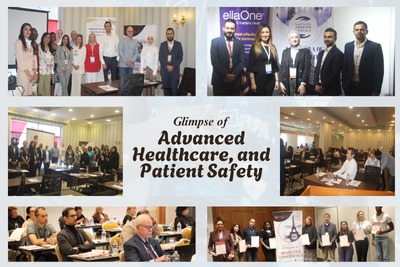
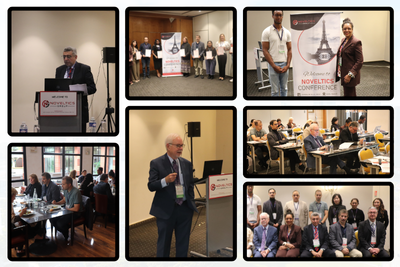

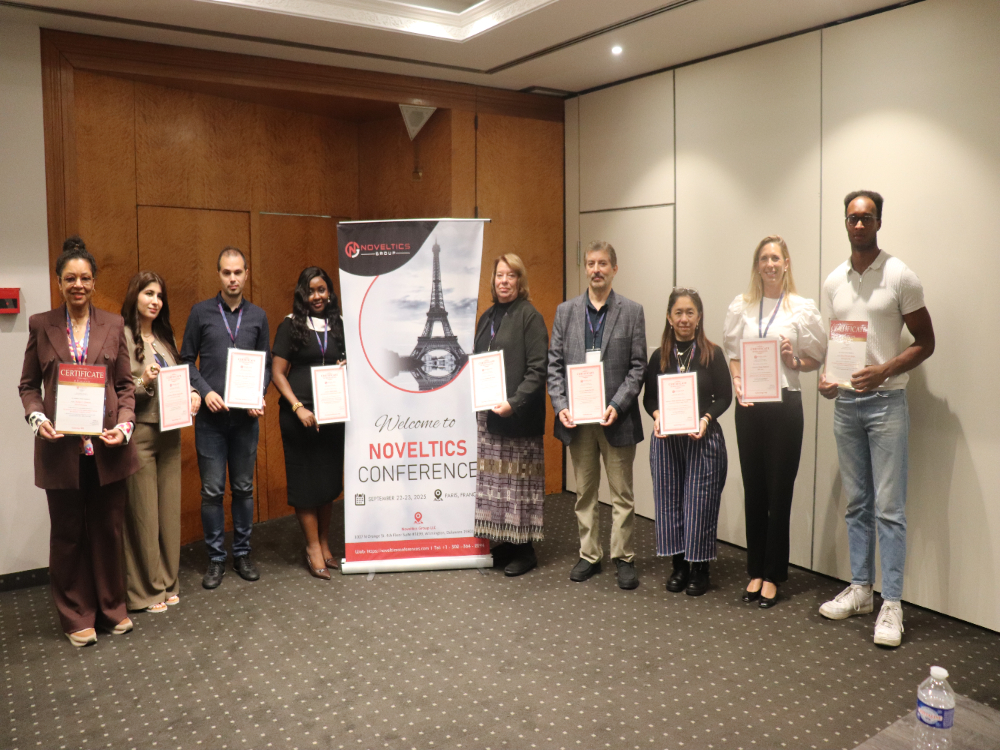
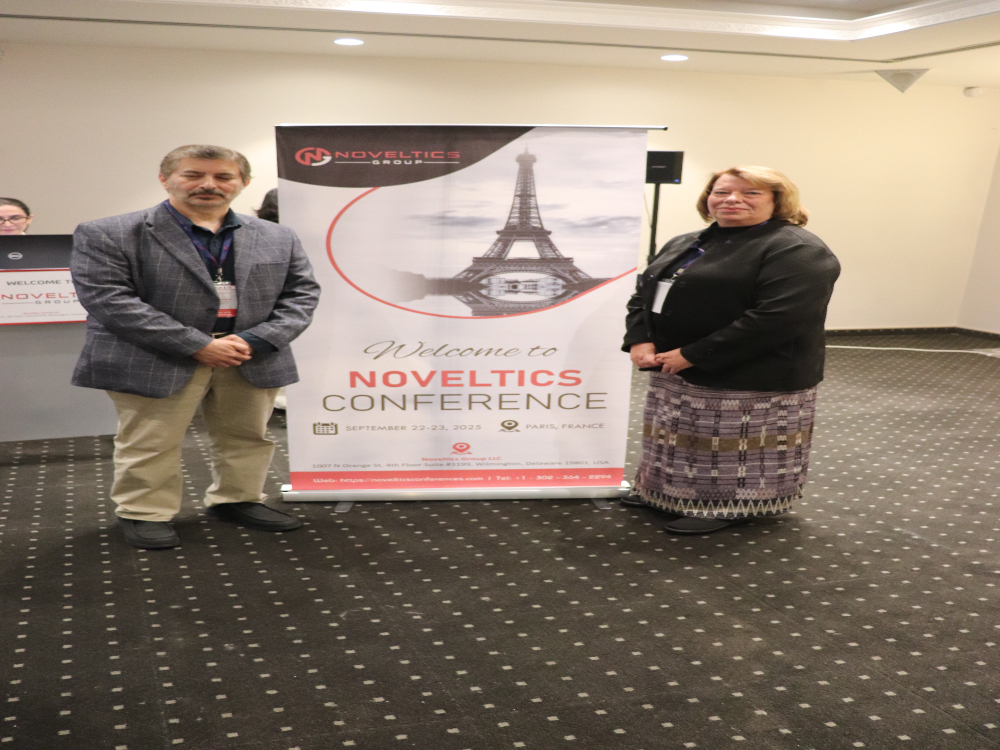
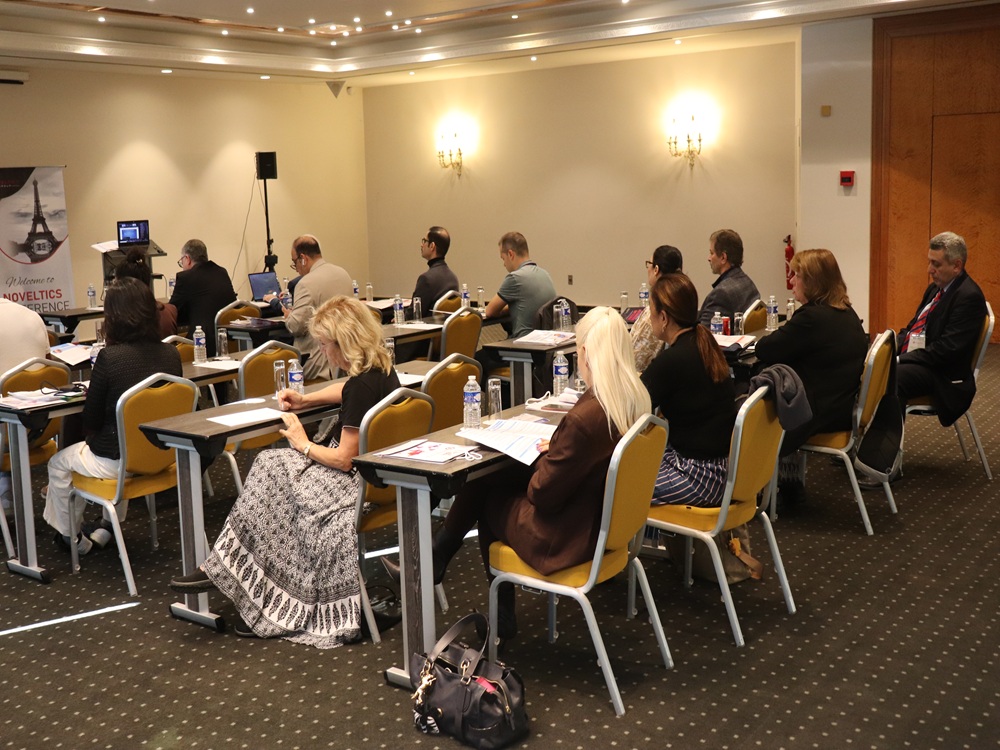
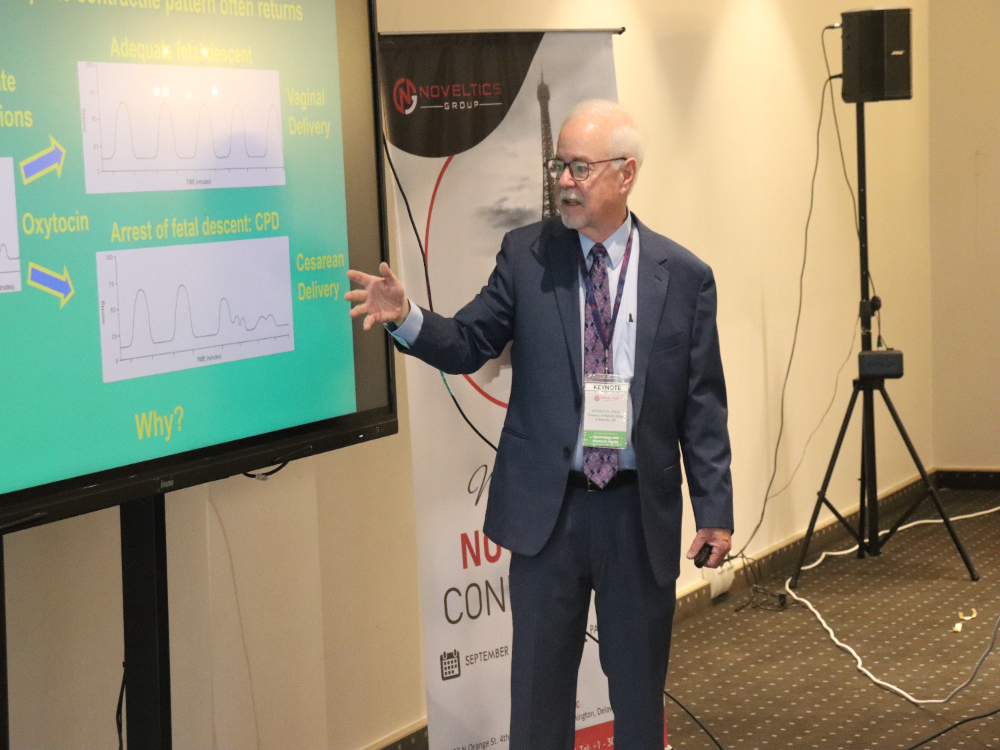
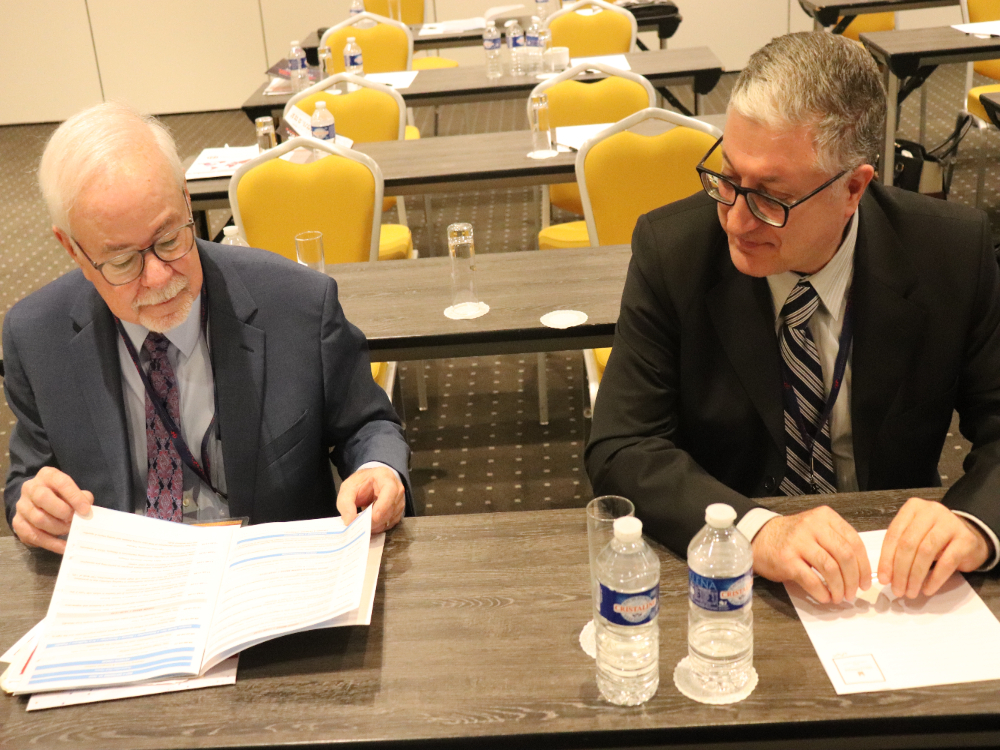







"I’m Ambassador Dr. Edison Christian. It was an honor to serve as a keynote speaker at the Noveltics Group LLC Patient Safety Conference held in Paris, France, on September 22–23, 2025. The event showcased healthcare expertise, fostered industry networking, led to new business collaborations, and even opened opportunities for job creation through partnerships with my clinic."